
Transforming Distressed Properties: Success Stories from Allegheny County
Transforming distressed properties can breathe new life into communities, and Allegheny County is a shining example of this revitalization. Once neglected, many of these properties now stand as symbols of hope and progress. In this blog post, we’ll explore some inspiring success stories that highlight the potential for transformation.
Revitalizing Historic Homes
Historic homes often bear the brunt of neglect, but they also offer immense potential for renewal. In Allegheny County, several projects have focused on restoring these gems to their former glory. Preservationists and developers have collaborated to maintain historical integrity while modernizing the interiors.
One notable example is a Victorian-era house in Pittsburgh. This project involved painstaking restoration, including refurbishing original woodwork and stained glass, while upgrading the plumbing and electrical systems. The result is a beautiful blend of old-world charm and contemporary comfort.
Turning Abandoned Buildings into Community Hubs
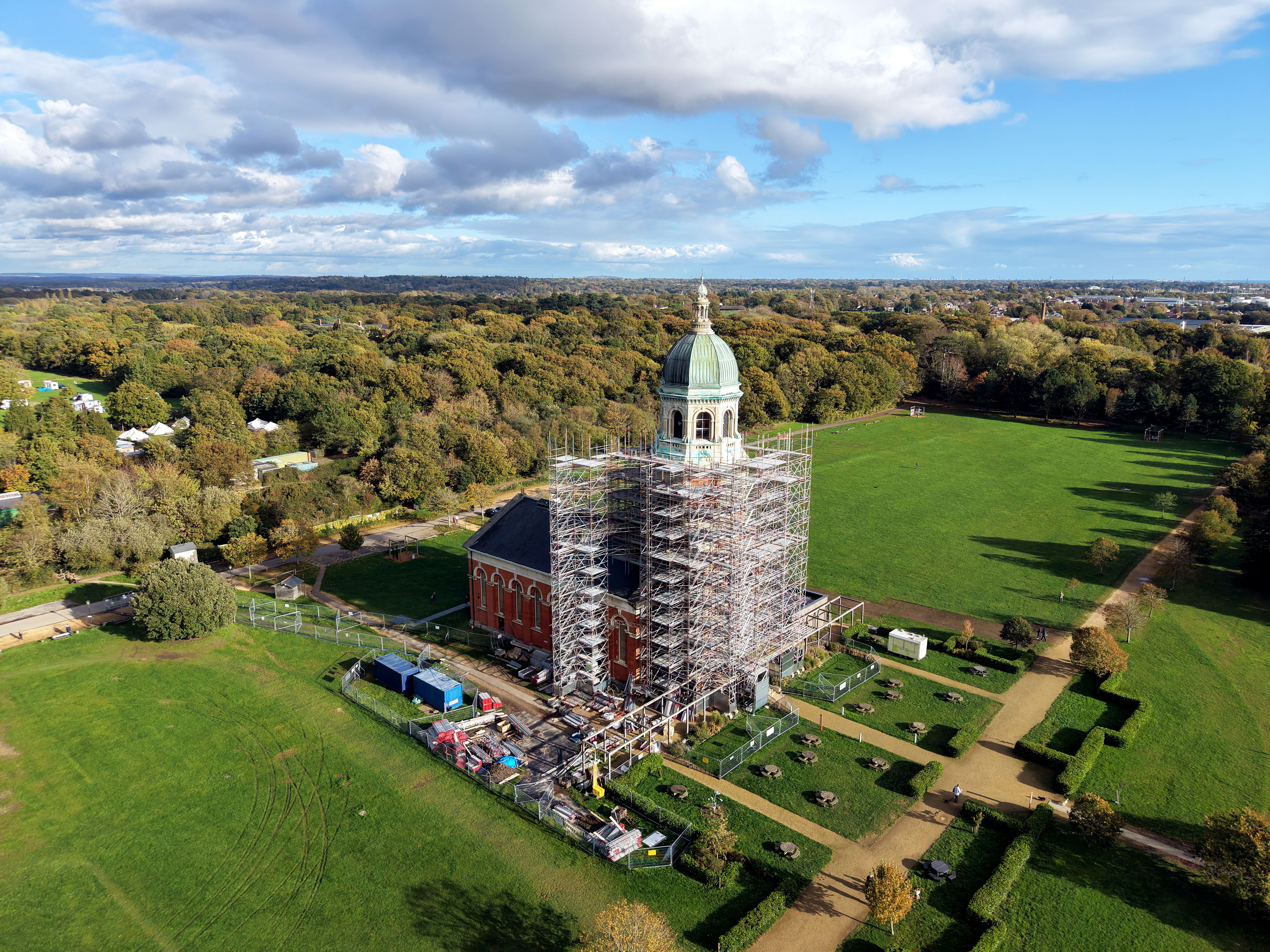
Abandoned buildings can be eyesores, but with vision and investment, they can become vibrant community hubs. In Allegheny County, several former industrial sites have been transformed into spaces that serve the community.
One success story is the conversion of an old factory into a community center that now offers recreational activities, educational programs, and event spaces. This transformation has not only provided essential services but also created jobs and boosted local morale.

Innovative Approaches to Urban Farming
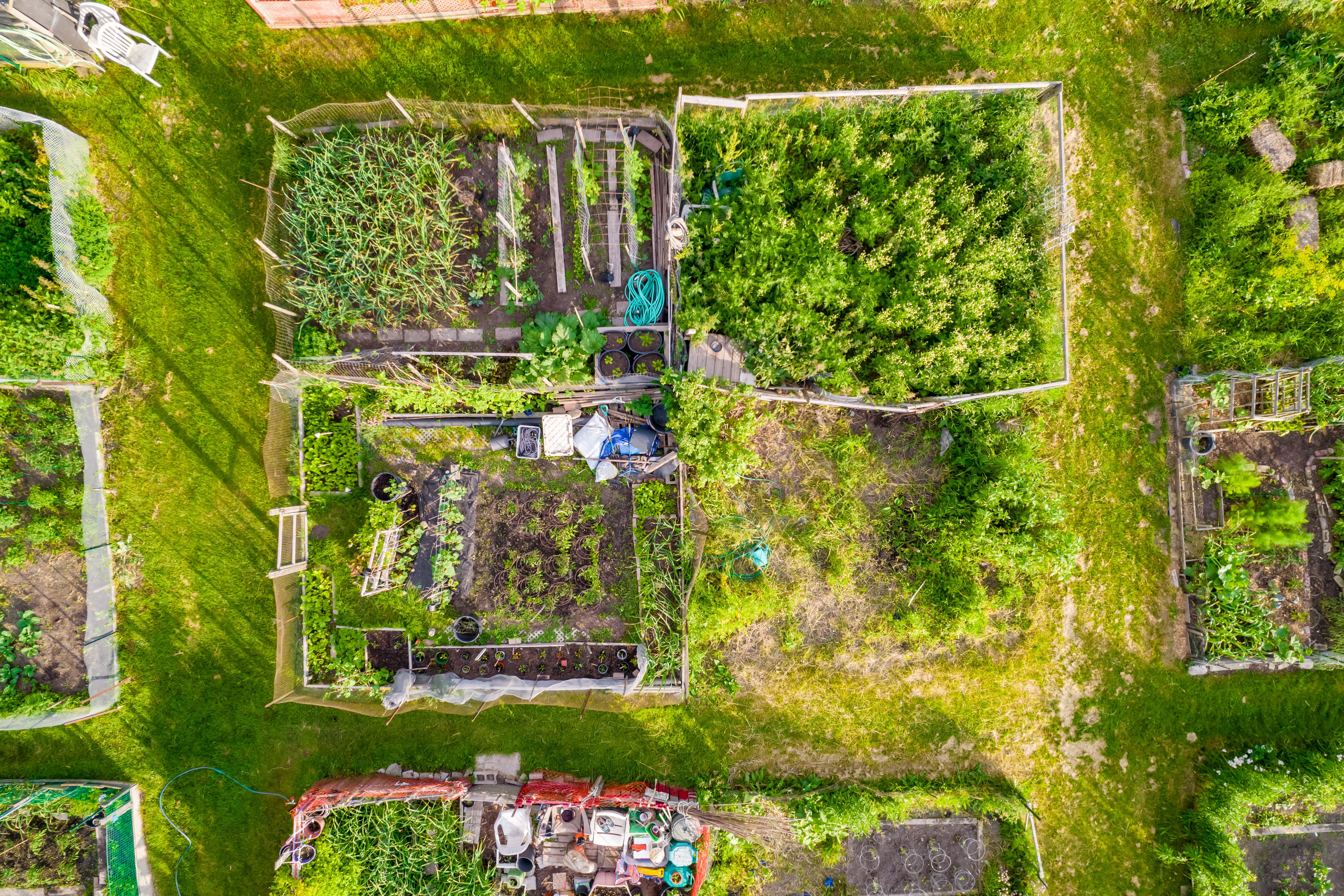
Urban farming is another innovative approach to transforming distressed properties. In Allegheny County, vacant lots have been converted into thriving urban farms, providing fresh produce to local residents and contributing to food security.
These farms use sustainable practices and often involve community members in their operations, fostering a sense of ownership and connection. They also offer educational workshops on gardening and sustainability, further enriching the community.
Partnerships Driving Change
The success of transforming distressed properties often hinges on strong partnerships. In Allegheny County, collaborations between local governments, non-profits, and private investors have been key to revitalization efforts.
These partnerships have enabled the pooling of resources and expertise, ensuring projects are both financially viable and socially beneficial. They also help navigate the complexities of zoning laws and funding requirements, smoothing the path to successful transformation.
Challenges and Opportunities
While the transformation of distressed properties is full of opportunities, it also presents challenges. Financing, regulatory hurdles, and community resistance are common obstacles. However, with careful planning and community engagement, these challenges can be overcome.
Allegheny County's success stories demonstrate that with the right approach, distressed properties can not only be transformed but can also become catalysts for broader community development.

In conclusion, the transformation of distressed properties in Allegheny County serves as an inspiring model for other regions. The blend of historic preservation, community engagement, and innovative use of space highlights the potential for positive change. As more neighborhoods embrace this approach, the possibilities for revitalization are endless.