
Comparing Real Estate Investment Strategies: Why Revitalization is the Future in Pennsylvania
Real estate investment strategies are as varied as the landscapes they transform. In Pennsylvania, a state rich with history and potential, choosing the right strategy can make all the difference. Among the myriad of options, revitalization stands out as a forward-thinking approach that not only promises financial returns but also contributes to community development.
Understanding Real Estate Investment Strategies
When it comes to real estate investment, options range from purchasing rental properties to engaging in fix-and-flip projects. Each strategy comes with its own set of benefits and challenges. For example, rental properties provide a steady income stream, while fix-and-flip projects can offer quick returns. However, both require significant initial investments and a deep understanding of the market.

Revitalization, on the other hand, involves rehabilitating neglected areas and restoring them to their former glory or reinventing them for modern use. This approach not only enhances property values but also breathes new life into communities.
Why Choose Revitalization?
Revitalization is not merely about profit; it's about creating lasting impact. By investing in revitalization, investors can preserve Pennsylvania's historical charm while integrating modern conveniences. This strategy is particularly effective in cities like Philadelphia and Pittsburgh, where historical architecture meets urban innovation.
Moreover, revitalization projects often qualify for tax incentives and grants, making them financially attractive. These incentives can significantly reduce the cost of investment and improve overall profitability.
The Economic Impact of Revitalization
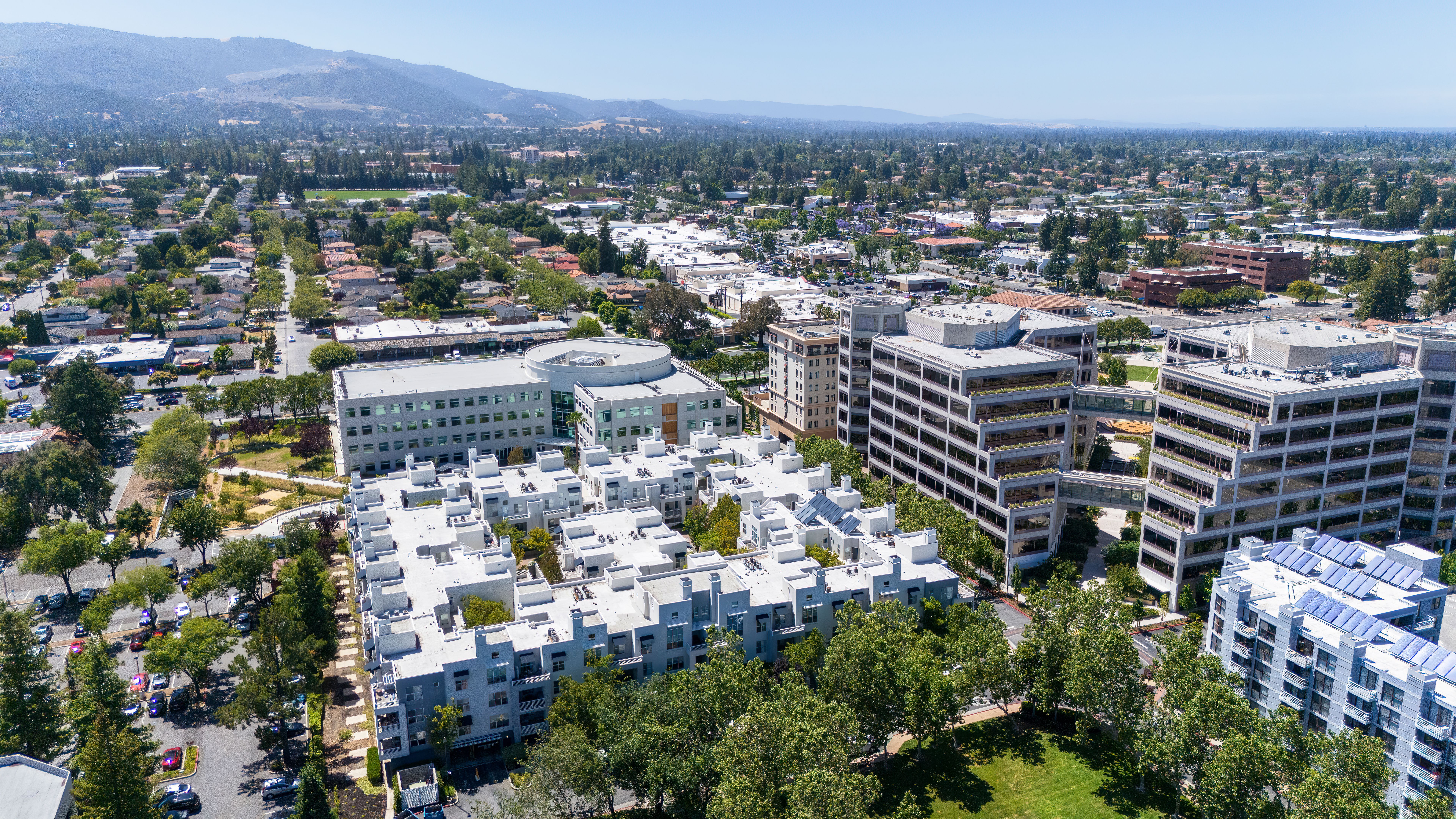
Beyond individual gains, revitalization has a profound economic impact. It leads to job creation, increases property values, and boosts local economies. As neglected areas transform into vibrant neighborhoods, local businesses thrive, and tourism often follows.
Additionally, revitalization projects can lead to improved infrastructure and amenities, making areas more attractive to new residents and investors. This ripple effect can contribute to long-term economic stability and growth.
Challenges and Considerations
While revitalization offers numerous benefits, it is not without its challenges. Projects can be complex, requiring collaboration with local governments, architects, and construction teams. Understanding zoning laws and historical preservation guidelines is crucial for success.

Investors must also consider community needs and engage with local residents to ensure projects are beneficial to all stakeholders. Building strong relationships and maintaining open communication can help mitigate potential conflicts and foster community support.
The Future of Real Estate in Pennsylvania
As Pennsylvania continues to grow and evolve, revitalization will play a key role in shaping its future. This strategy offers a sustainable way to preserve the state's rich history while embracing modern development. For investors looking to make a lasting impact, revitalization is an exciting and rewarding path forward.
Ultimately, whether you're a seasoned investor or new to the real estate game, understanding the benefits and challenges of revitalization can help you make informed decisions that align with both financial goals and community values.